Trying to choose between Greenwich backcountry and in-town living? You’re not alone. Each offers a distinct lifestyle, different upkeep needs, and unique value drivers. By the end of this guide, you’ll understand how lot size, daily convenience, commute, and long-term costs compare so you can focus your search with confidence. Let’s dive in.
What “Backcountry” and “In‑Town” mean in Greenwich
Greenwich is one town with several micro-markets. Locals use “backcountry” for the large-lot, estate areas north and west of Post Road, and “in‑town” for the walkable neighborhoods near Greenwich Avenue and the coastal village centers.
Backcountry at a glance
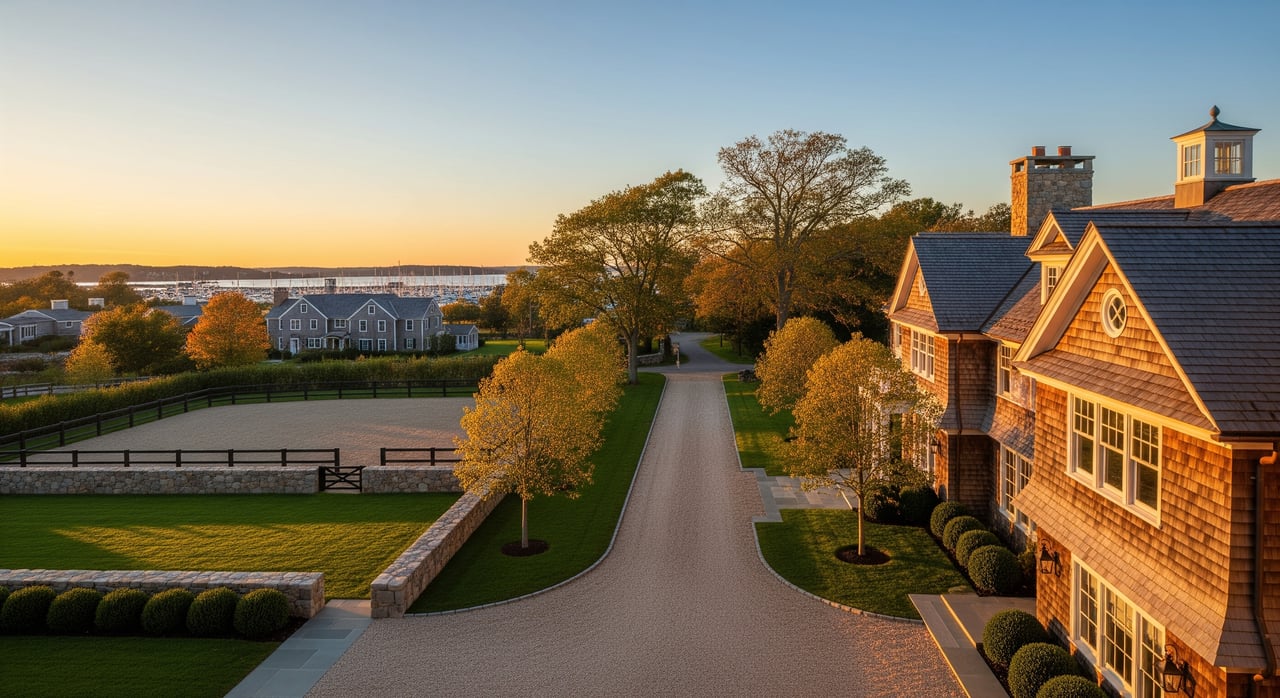
Backcountry generally includes estate-style neighborhoods with larger parcels and a pastoral feel. Areas around Conyers Farm, Stanwich, and pockets near conserved land are common examples. You will find privacy, acreage, and room for outdoor amenities.
In‑town at a glance
In‑town covers the downtown core along Greenwich Avenue and nearby village areas such as Old Greenwich, Riverside, and Cos Cob. These neighborhoods deliver walkability, quick access to shops and dining, and a range of homes from historic houses to condos and townhomes.
For context on local geography, planning, and zoning, review the Town of Greenwich resources on the official municipal site.
Lot sizes and property types
Backcountry: acres and estate living
Parcels in backcountry often range from 1 to 10 or more acres. You’ll see large single-family estates, country houses, equestrian properties, and some gated compounds. Larger minimum lot sizes and setbacks are common, and accessory uses such as barns or guesthouses can be possible with proper approvals.
Because many parcels border woodlands or wetlands, confirm any site constraints early. Permits and timing for major landscape or construction work can be more involved. The Town’s planning, zoning, and wetlands pages on the Greenwich site are good places to start.
In‑town: smaller lots and variety
In-town neighborhoods offer smaller parcels, including fractional-acre lots, plus a mix of condos and townhomes. You’ll find renovated cottages, historic homes, and waterfront options on more compact sites. The smaller footprint often means simpler grounds care and a more turnkey experience.
Lifestyle and amenities
Backcountry: quiet and private
If you value space, seclusion, and room for outdoor facilities, backcountry delivers. Lower street traffic and larger buffers between homes support a calm, country setting. Most daily errands require a car, so plan your routine around driving to town centers for shopping, schools, and dining.
In‑town: walkable and social
If you want to stroll to cafés, restaurants, boutiques, libraries, and marinas, in‑town neighborhoods fit well. Daily life feels more connected to community events and town services. Proximity to beaches and harbors in Old Greenwich, Cos Cob, and Greenwich Harbor adds seasonal recreation.
Waterfront considerations
In-town shoreline areas can offer direct water access and views, which carry a price premium and unique insurance needs. Always verify flood zone status and any elevation or mitigation requirements. For general environmental and coastal guidance, consult the CT Department of Energy & Environmental Protection.
Commute and transportation
Train access
Greenwich is served by the Metro‑North New Haven Line at multiple stations, including Greenwich, Cos Cob, Riverside, and Old Greenwich. Typical off-peak express service from the Greenwich station to Grand Central is under an hour, with exact times depending on the train you take. Check current timetables on the Metro‑North site.
Backcountry homes are farther from stations, so factor in the drive and parking when estimating total commute time. In‑town properties near stations appeal to many NYC commuters and can command a premium.
Driving and airports
Proximity to I‑95 and the Merritt Parkway affects door-to-door travel for work in Westchester and Connecticut. For regional flights, many residents use Westchester County Airport, with LaGuardia and JFK accessible by road or a combination of rail and car service.
Utilities, infrastructure, and permits
Sewers, septic, and water
Many in‑town and village areas are on municipal water and sewer, which can simplify maintenance. Backcountry parcels often have private wells and septic systems. Ask for documentation on system age and service history. For septic and wetlands regulations, review guidance from CT DEEP and local permitting on the Town of Greenwich site.
Wetlands and conservation
Backcountry parcels may be adjacent to wetlands or conserved land, which can influence how and where you build. Expect additional reviews for major projects and plan timelines accordingly.
Historic and design factors
Some in‑town homes are historic or within areas that add design considerations for renovations. Confirm any restrictions before committing to a remodel plan.
Price dynamics and market behavior
In‑town properties near train stations and waterfront typically attract a larger pool of buyers seeking walkability and commute convenience. When priced right, these homes can move faster. Backcountry estates often trade at high absolute prices due to larger homes and acreage, but they may appeal to a narrower set of buyers and can take longer to sell.
Across Greenwich, consistent value drivers include proximity to train stations, access to water, property condition and modernization, lot size and privacy, and assignment to local public school districts. For current, neighborhood-level pricing and inventory, review recent local market reports and MLS data or consult a trusted agent with access to the latest numbers.
Carrying costs and upkeep
Taxes and fees
Annual property taxes are meaningful due to high property values. Always request the current bill and confirm mill rates and timelines with the Town Assessor via the Town of Greenwich site. Condos and townhomes may include HOA fees that cover shared services.
Grounds and systems
- Backcountry estates: budget for landscaping, tree care, driveway maintenance, snow removal, pool and tennis maintenance, and specialty systems like gates or private lighting.
- In‑town homes: expect lighter landscaping; some communities shift costs to HOA fees.
Utilities and insurance
- Backcountry: plan for well and septic upkeep, plus periodic pumping and eventual replacement.
- In‑town coastal areas: verify any flood insurance needs and related mitigation.
Staffing and contractors
Larger estates may require part‑time or full‑time help for property management and maintenance. Build these service costs into your annual budget.
Quick comparison checklist
Use this list to frame side‑by‑side tours and financial planning:
- Lot size and use: exact acreage; any wetlands or conservation easements; room for desired amenities such as a pool or barn.
- Utilities: municipal water and sewer versus private well and septic; age and service history of major systems.
- Commute: driving time to train stations; Metro‑North service patterns; parking considerations. Check schedules on the MTA site.
- Schools: public school assignment by neighborhood via Greenwich Public Schools; proximity to private school options.
- Market context: recent comparable sales, inventory, and average days on market.
- Carry costs: current property taxes, HOA or condo fees, and expected annual maintenance.
- Permits: any open zoning or building permits; historic or design constraints; wetlands reviews via the Town of Greenwich.
- Risk factors: flood zone status, stormwater management, and site conditions.
Which Greenwich lifestyle fits you
Choose backcountry if privacy, acreage, and a quiet, rural setting are your top priorities, and you are comfortable with a longer commute and more hands‑on property care. Choose in‑town if you want walkability, easier access to restaurants and marinas, shorter train commutes, and simpler day‑to‑day upkeep.
Both paths can be excellent investments when aligned with your goals. Focus on the micro‑market that best supports your daily routine, desired amenities, and long‑term plans for the property.
Ready to explore properties that match your lifestyle and value goals? Connect with Karin Fry for concierge-level guidance, from neighborhood shortlists to due‑diligence checklists and offer strategy.
FAQs
What defines Greenwich backcountry vs in‑town neighborhoods?
- Backcountry refers to larger-lot, estate areas north and west of Post Road, while in‑town covers the walkable downtown core and nearby village neighborhoods.
How long is the train commute from Greenwich to NYC?
- Typical off-peak express service from Greenwich station to Grand Central is under an hour; check current schedules on the Metro‑North site.
Are most backcountry homes on septic and well systems?
- Many backcountry parcels use private wells and septic; confirm system age, service records, and any replacement needs before purchase.
Do in‑town Greenwich homes usually have lower grounds upkeep?
- In many cases yes, because lots are smaller; condos and townhomes may shift costs into HOA fees, which you should review carefully.
Does waterfront living change insurance requirements in Greenwich?
- It can; verify flood zone status and discuss coverage and mitigation with your insurer, especially in shoreline areas.
How are public schools assigned in Greenwich?
- Greenwich Public Schools assign by district; check property-specific assignment on the district site before making offers.
Which factors most affect resale value in Greenwich?
- Proximity to train stations and water, property condition and modernization, lot size and privacy, and local school district boundaries are consistent drivers.
What permits should I expect for major projects in backcountry?
- Larger projects may require zoning, building, and wetlands approvals; consult the Town of Greenwich and plan extra time for reviews.